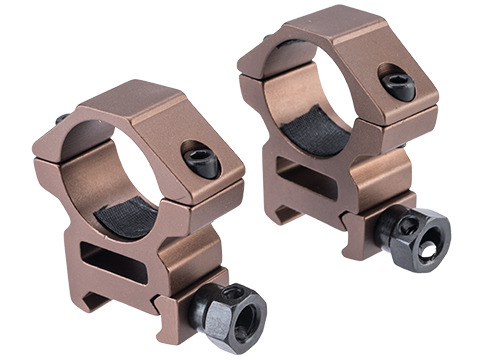
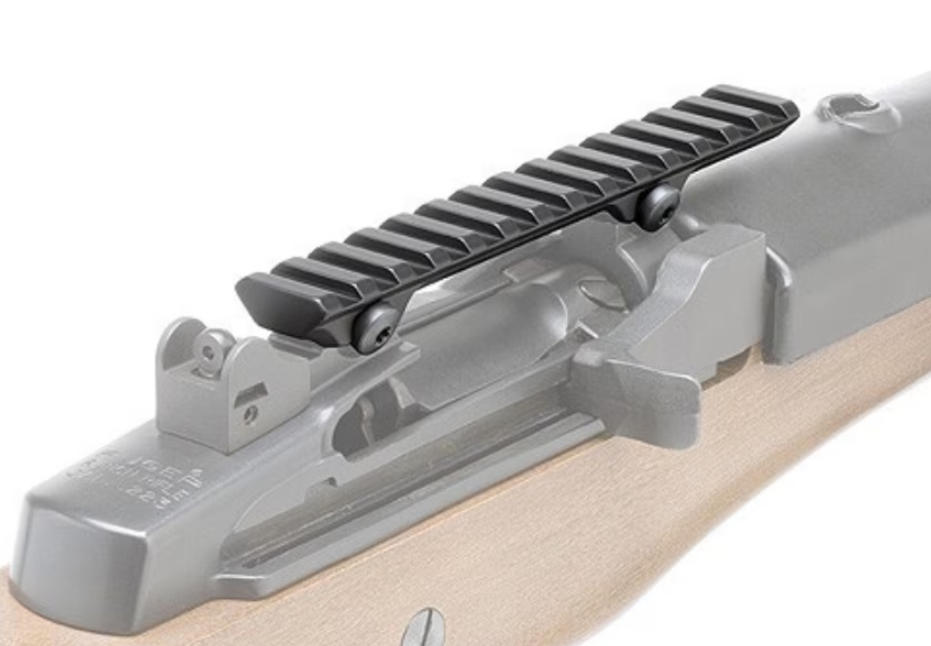
Step 1: Choose the Right Material for the Scope Tube: Overview of Scope Tube Materials
The evolution of scope tube materials is closely tied to advancements in firearms technology and metalworking techniques. As modern firearms continue to evolve with enhanced accuracy and power, scope tube materials have also been innovating to improve performance, durability, and adaptability. Below is an overview of the development of scope tube materials:
1. Early Materials (Steel)
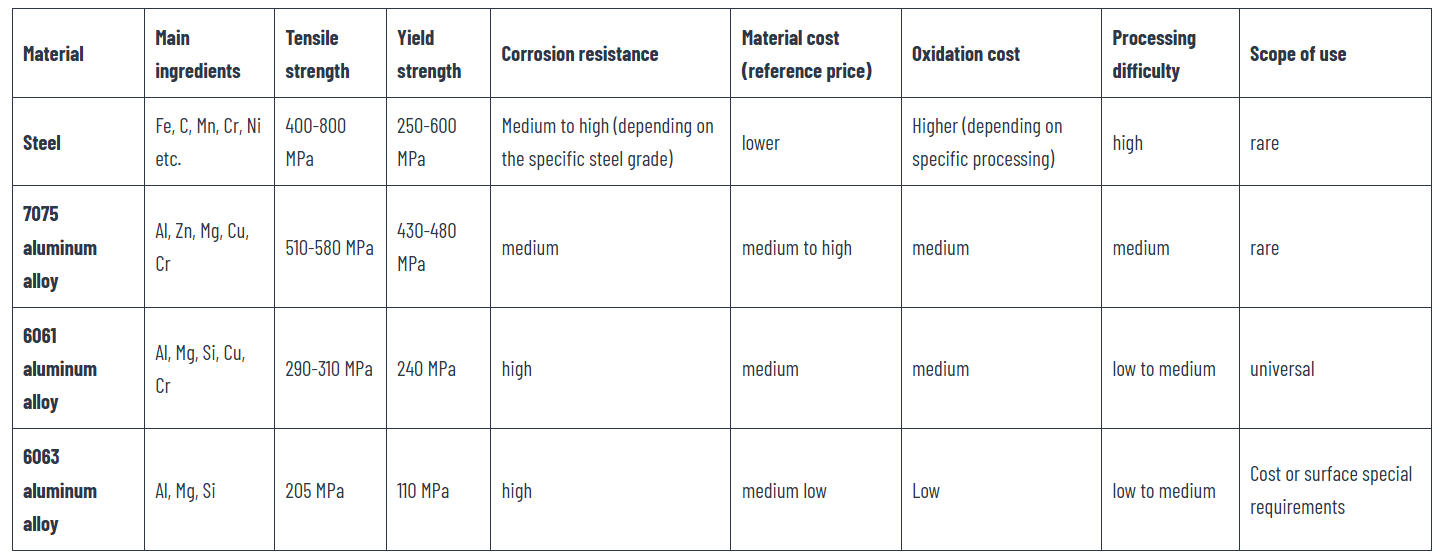
In the early scope designs, steel was the preferred material due to its excellent durability and strength, able to withstand the impacts and vibrations generated by firearm discharges. However, the major drawback of steel is its weight, which significantly increases the overall weight of the firearm, making it cumbersome for extended use. Today, at Nexroa Optics, stainless steel is still used in some small accessories, as its strength cannot be fully replaced by traditional aluminum alloys. For this reason, some clients continue to order stainless steel rails to meet high-strength requirements.
2. The Rise of Aluminum Alloys
With the rapid advancement of aerospace technology, aluminum alloys have become the dominant material for scope tubes. The main advantages of aluminum alloys are their lightweight nature and high strength, which significantly reduce the weight of the scope. Additionally, aluminum alloys offer excellent corrosion resistance, making them ideal for use in humid and harsh environments, particularly for military applications. Compared to steel, aluminum alloys are easier to process and more suitable for mass production. To further optimize the performance of aluminum alloys, Nexroa Optics offers three key heat treatment processes: T4, T5, and T6.
T4: Aluminum alloys reach the T4 state after natural aging without any strengthening processes. It is suitable for applications with lower strength requirements.
T5: After extrusion, aluminum alloys undergo artificial aging to achieve the desired strength, suitable for applications with moderate mechanical performance demands.
T6: T6 aluminum alloys are strengthened through solid solution heat treatment and artificial aging, significantly improving hardness and strength. T6-treated aluminum alloys are the best choice for scopes, rails, and mounts that require high strength, durability, and wear resistance.
Among Nexroa Optics’ high-end clientele, aerospace-grade aluminum alloy (6061-T6) is widely used, achieving a balance of strength and weight through anodizing, making it ideal for high-frequency shooting. For more cost-conscious clients, such as hunting brands, 6063-T5 aluminum alloy is commonly chosen as it meets the daily requirements of hunting and shooting activities.
Conclusion
The evolution of scope tube materials is closely linked to advancements in firearms and metalworking technologies. From the early use of steel to the adoption of modern aluminum alloys, titanium alloys, and carbon fiber materials, each innovation has focused on improving the weight, strength, durability, and adaptability of scopes. With continuous breakthroughs in materials science, the materials and manufacturing techniques for scopes will continue to evolve to meet increasingly demanding performance standards.
Nexroa Optics: Molding Processes for High-Performance Scopes
Rifle scopes are typically composed of several precision components, and metal part processing is generally divided into two main steps: initial forming and precision machining to ensure dimensional accuracy. With over 30 years of experience in the rifle scope manufacturing industry, Nexroa Optics has accumulated extensive expertise, enabling us to provide high-quality solutions based on various molding requirements.
We understand that selecting the right molding process is crucial to ensuring the performance and cost control of the scope. Therefore, in our production process, we employ various molding techniques, such as forging, casting, and extrusion, depending on the product design and intended use. We meticulously control every detail to ensure the highest quality of the final product.
1. Aluminum Alloy Forging:
Our Understanding and Experience at Nexroa Optics:
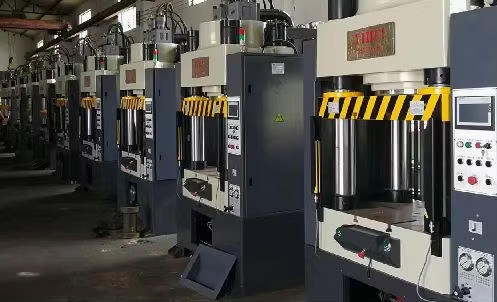
Forging is a manufacturing process that enhances the internal strength of materials. For scope components requiring high strength, Nexroa Optics typically utilizes T6/T5 treated aluminum alloys and forging technology to manufacture parts that can withstand high stress, such as components needed for military-grade products. Our engineers precisely control forging temperatures and mold designs to ensure the best mechanical properties and durability of the final product.
Process Flow:
Our forging process is particularly suited for applications that require high strength and durability, especially in the manufacturing of military and high-end hunting scopes, ensuring stable performance even in extreme environments. However, the forging process is complex, costly, and requires high minimum order quantities.
Target Clients:
Our main clientele includes military brands with extremely strict requirements for quality and performance.
Nexroa Optics: Aluminum Alloy Casting Process
2. Aluminum Alloy Casting:
Our Understanding and Experience at Nexroa Optics:
Casting is a process suited for parts that require complex geometric shapes, such as the intricate housings of SVD scopes and uniquely shaped large red dot sights. With high-precision molds and advanced casting technologies, Nexroa Optics can mass-produce highly complex scope components, significantly reducing subsequent processing time and costs. We pay particular attention to controlling the temperature and solidification process during casting to minimize common defects such as porosity, ensuring the integrity and strength of each casting.
Process Flow:
Nexroa Optics’ casting process ensures the high-precision manufacturing of complex parts while optimizing workflows to guarantee efficiency and quality stability during mass production. However, due to the lower strength of aluminum alloys used in die casting and poor material uniformity, defects such as air holes and sand inclusion are more likely to occur, leading to a higher defect rate compared to forging and extrusion processes. Additionally, aluminum alloy castings cannot undergo anodizing, and surface treatment can only be done through painting.
Target Clients:
Our main clientele includes customers who require high precision and mass production, especially for SVD scopes, complex-sized large red dot sights, and those seeking cost-effective solutions.

Nexroa Optics: Aluminum Alloy Extrusion Molding Process
3. Aluminum Alloy Extrusion:
Our Understanding and Experience at Nexroa Optics:
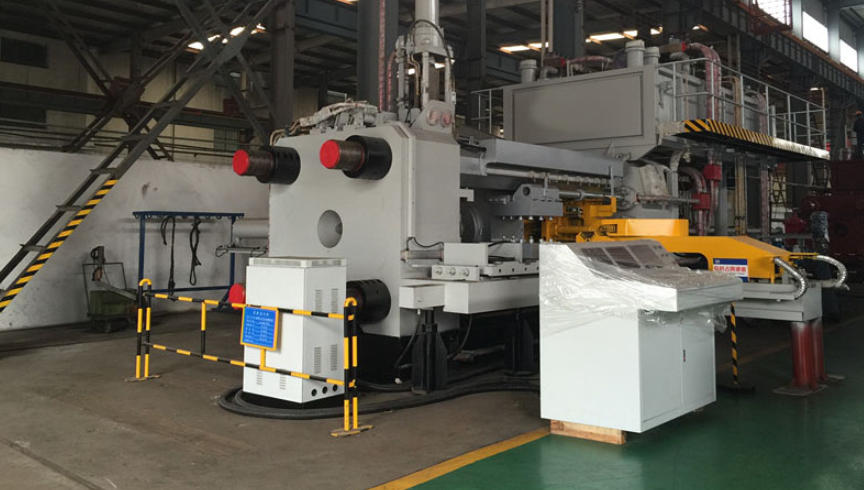
For components that have relatively simple structures but require high precision and consistency, such as scope mounts and rails, Nexroa Optics adopts aluminum extrusion molding. We specialize in using this technique to manufacture precise and uniform cross-sectional parts. Through meticulous mold design and processing, we produce components with excellent surface finish and consistency, significantly reducing the need for subsequent machining.
Process Flow:
Aluminum extrusion molding is particularly suited for mass production. Nexroa Optics’ production line not only possesses high manufacturing efficiency but also ensures consistency in the quality of each batch. Especially in the manufacturing of scope mounts and rails, our process achieves a perfect balance between lightweight design and high precision.
Target Clients:
Our main clientele includes customers who require high-precision scope mounts and rails with mass production needs, particularly those who focus on product consistency and lightweight design.
Nexroa Optics: CNC Integrated Machining (Multi-Axis CNC Technology)
Our Understanding and Experience at Nexroa Optics:
To meet the high standards of precision scope manufacturing, Nexroa Optics adopts advanced multi-axis CNC integrated machining technology. This process allows us to machine entire scope bodies directly from high-strength aluminum rods (such as 6061-T6 or 7075 aluminum alloys). With multi-axis CNC equipment, we can complete machining of complex shapes in a single setup, ensuring high precision and consistency in part production.
Machining Process:
A: Choose the appropriate aluminum alloy material, such as 6061-T6 or 7075.
B: Clamp the aluminum rod into the CNC machining center for multi-axis machining.
C: Complete turning, drilling, cavity processing, and surface finishing in one step.
D: Perform surface treatment, such as anodizing or painting.
Advantages:
High Precision: CNC machining enables micron-level precision control, ensuring that each scope body meets strict dimensional tolerances, which is especially ideal for high-precision military and tactical scopes.
Integrated Molding: This process eliminates the connections and joints between multiple parts in traditional assembly, greatly enhancing structural strength and stability while reducing assembly errors.
High Flexibility: By adjusting the CNC program, we can flexibly machine scope bodies of different designs and sizes to meet various market demands and customer customization requirements.
Disadvantages:
High Cost: Compared to other molding processes, CNC machining requires substantial upfront investment in equipment and takes longer, making it suitable for small to medium batch production or high-end custom products.
Nexroa Optics Advantages:
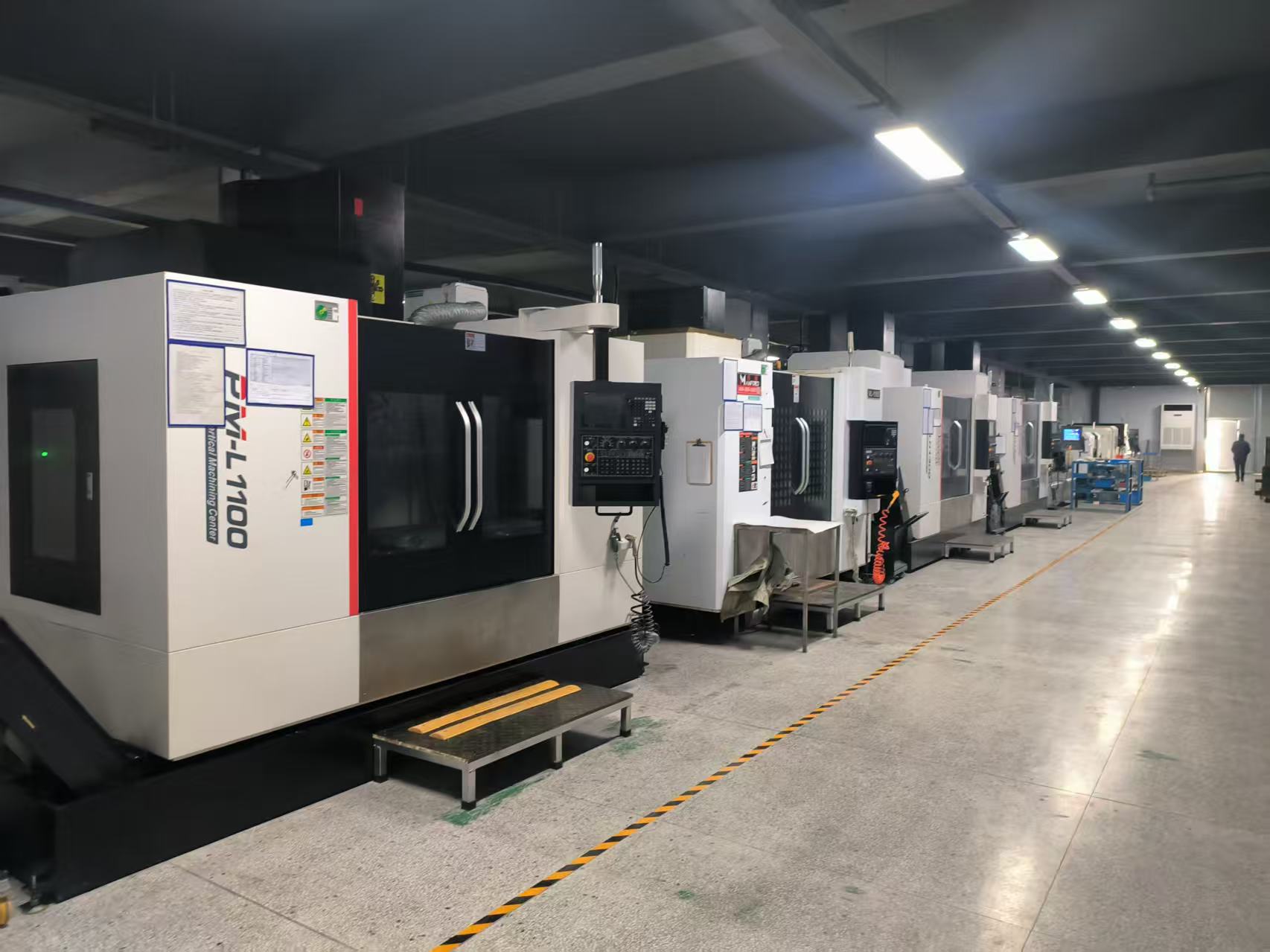
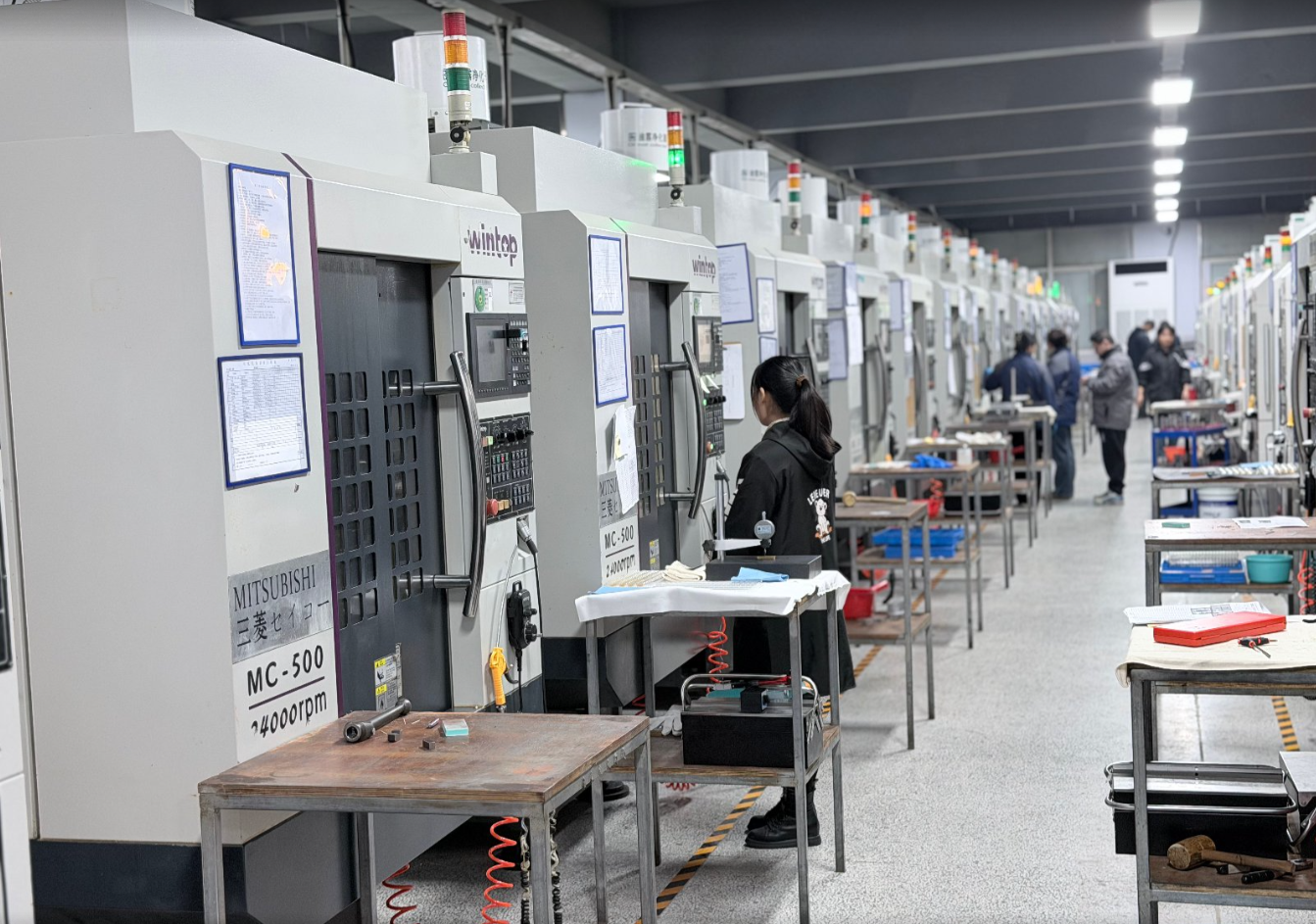
Nexroa Optics owns advanced multi-axis CNC machining equipment (over 30 units of 4, 5, and 6-axis machines) and extensive process experience, allowing us to provide highly customized scope products based on client requirements. We pay attention to every detail during the machining process to ensure that our products meet the highest precision standards. With this machining process, we ensure the strength and accuracy of scope bodies while providing flexible customization services based on different customer needs, making our products more competitive in the high-end professional market.
Nexroa Optics: Our Advantages
Nexroa Optics owns advanced multi-axis CNC machining equipment (over 80 units of 4, 5, and 6-axis machines) and has extensive process experience, enabling us to provide highly customized scope products based on customer needs. We focus on every detail during the machining process to ensure our products meet the highest precision standards. With this advanced machining technology, we can ensure the strength and accuracy of scope bodies while offering flexible customization services based on various customer requirements, making our products more competitive in the high-end market for professional users.
In addition to the CNC integrated machining process mentioned above, the other three steps require further precision machining. To produce scope components in large volumes at a lower cost, we match different machining equipment to the varying precision requirements of each part. We typically work with clients to find the best balance between cost and performance. Below are the three types of machining equipment used in our workshop.
Nexroa Optics: Surface Treatment Process and Material Matching
Step 3: Matching Surface Treatment Processes with the Correct Materials: Anodizing, Coating, and Water Transfer Technology
As aluminum alloy is the mainstream material for rifle scopes, the following will provide a detailed introduction to the surface treatment processes for this material.
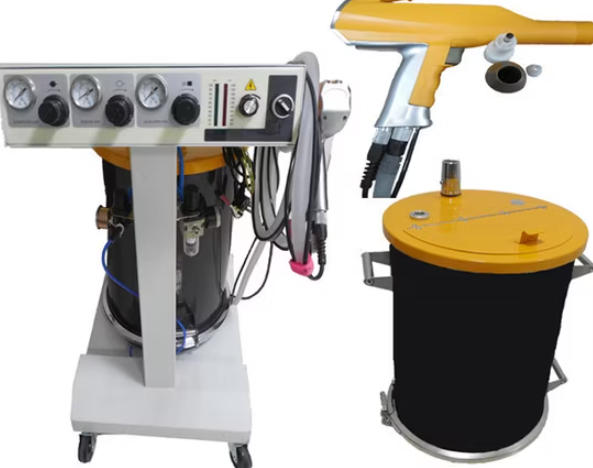
1. Spraying:
Spraying is a process where paint is compressed and sprayed onto the surface of an object. This technique is commonly used to enhance the corrosion resistance and wear resistance of aluminum alloys. Typical spraying materials include polyurethane and epoxy resins. At Nexroa Optics, we offer a variety of color options, with both matte and glossy finishes available, particularly focusing on the production of SVD rifle scopes.
Advantages:
Spraying effectively covers complex surfaces, providing an additional protective layer.
It reduces reflectivity, making it suitable for tactical applications.
Disadvantages:
Over time, the sprayed layer may wear off gradually.
This method is best suited for certain die-cast aluminum parts, such as the SVD series scopes and civilian replicas like the Trijicon series.
2. Anodizing
Anodizing is one of the most commonly used surface treatment processes for aluminum alloys. Through an electrochemical process, a layer of oxide film is formed on the surface of the aluminum alloy. This oxide layer enhances the alloy’s corrosion resistance, wear resistance, and oxidation resistance, while also allowing for dyeing, providing multiple color options.
Appearance, Color, and Strength:
Anodized aluminum surfaces can present a variety of colors, including black, gray, green, and tan. The depth of the color depends on the thickness of the oxide film and the control of the dyeing process. Nexroa Optics has found through hundreds of product tests that 6063 aluminum alloy is usually more suitable for creating colored anodized finishes.
Advantages:
Anodizing is cost-effective, with minimal thickening of the product surface, so it does not affect assembly dimensions.
It offers a range of color options with consistent color quality.
It enhances corrosion resistance, wear resistance, and oxidation resistance, making it suitable for various environments.
Disadvantages:
Compared to coatings, anodizing has poorer scratch resistance. However, Nexroa Optics uses a proprietary high-hardness anodizing process, which results in a thicker and harder oxide layer, effectively resisting scratches and impacts.
While anodizing improves durability, it may not be as resilient as coating processes in certain extreme environments.