

Cost Control Starts with Intelligent Rifle Scope Design

Integrated Cost Control in Rifle Scope Design
NEXROA OPTICS Engineering & Manufacturing Approach
At NEXROA OPTICS, cost control begins at the rifle scope design stage. By embedding cost optimization into the early
phases of development, our engineering process systematically considers material utilization, manufacturing methods,
and component quantity optimization.
Our design engineers prioritize structural and component solutions that align with cost-efficiency goals—minimizing
manufacturing and assembly costs while fully meeting customer performance and reliability requirements.
1. Customer Needs Analysis and Engineering Recommendations
During the initial design phase, NEXROA OPTICS works closely with customers to ensure that each design fulfills core
functional requirements without introducing unnecessary cost drivers.
Understanding Real-World Usage Scenarios
We conduct in-depth technical discussions to understand the actual operating environments and applications of the
rifle scope. This allows us to accurately determine which features are functionally necessary.
Eliminating Unnecessary Features
We typically advise against adding features intended for extremely niche use cases, as these often increase cost
without delivering proportional value.
Balanced Performance Prioritization
Based on usage scenarios, we carefully balance durability, accuracy, optical clarity, weight, ergonomics, and visual
design—meeting critical requirements while avoiding overengineering.
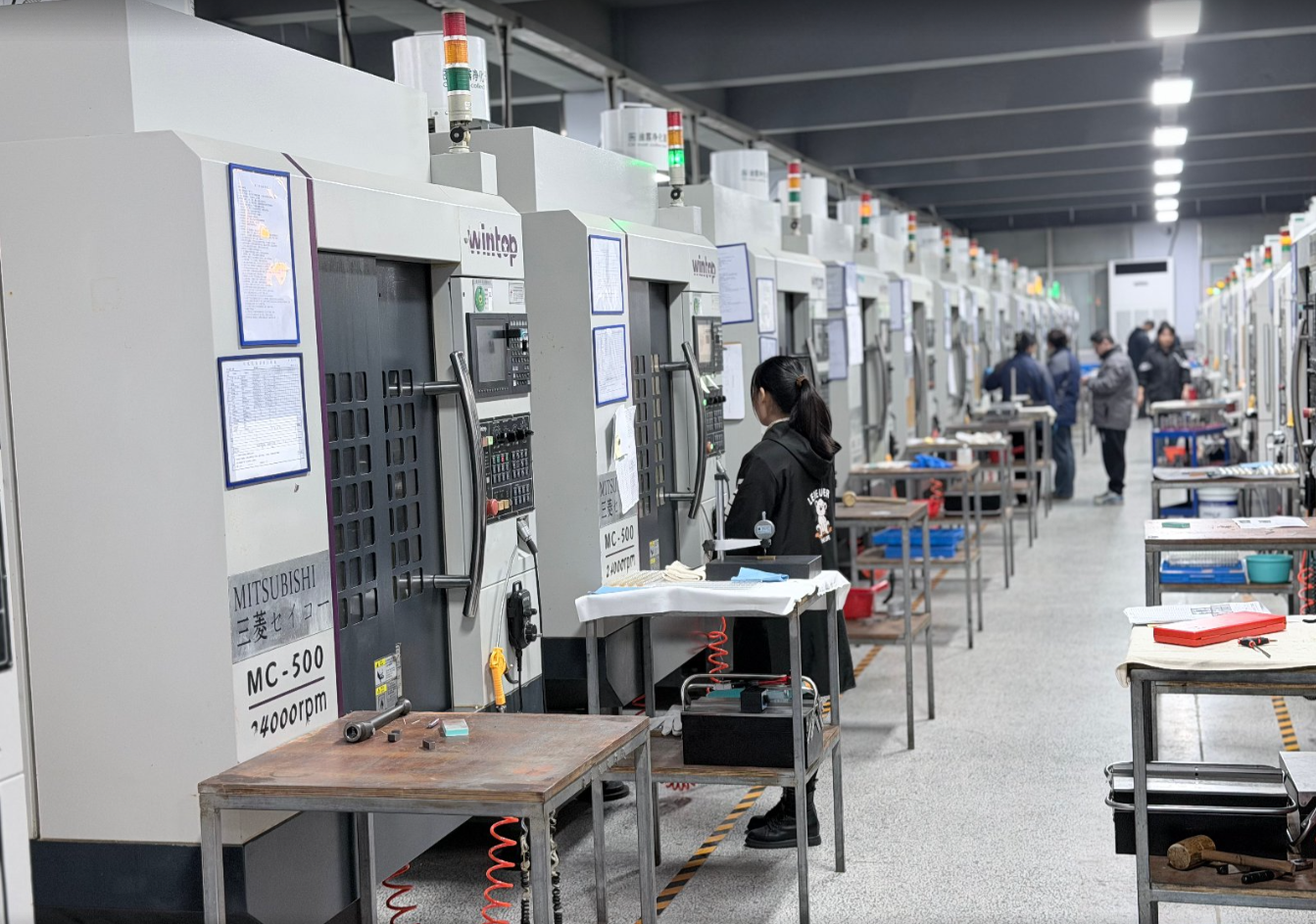
2. System Selection Strategy
NEXROA OPTICS prioritizes mature, proven systems to reduce research and development time, cost, and technical risk.
Optimized System Integration
During rifle scope development, we select from established optical systems, adjustment mechanisms, illumination modules, reticle structures, and mechanical assemblies.
Adapting and fine-tuning mature solutions significantly reduces R&D cycles while ensuring stable performance, predictable lead times, and competitive pricing.
With an internal library of 500+ validated rifle scope platforms, NEXROA OPTICS enables rapid customization and flexible engineering responses to diverse customer requirements.
3. Process Design and Optimization
Process design plays a direct role in production efficiency, quality consistency, and cost control.
Efficient Manufacturing Processes
Well-optimized processes improve throughput, yield rate, and material utilization. For example:
Optimized cutting paths during optical lens rough grinding reduce material waste.
Proper aluminum alloy bar sizing for CNC machining minimizes scrap rates.
NEXROA OPTICS continuously refines process workflows to lower production costs while maintaining strict quality standards.
4. Equipment Selection Strategy
Selecting the appropriate manufacturing equipment is a critical factor in cost efficiency.
Flexible Equipment Utilization
Not all rifle scope components require multi-axis CNC machining centers. Depending on design complexity, NEXROA OPTICS strategically combines CNC machining, manual lathes, and semi-automated processes.
Using simpler equipment for low-complexity parts can reduce overall manufacturing costs by 5–15%, while a balanced mix of automation and manual operations ensures quality stability and cost control.
5. Centralized Procurement and Standardized Inventory Management
Centralized procurement is essential for effective cost management and supply chain stability.
Supply Chain Optimization
NEXROA OPTICS operates a structured procurement and inventory system:
30-day inventory for packaging materials
60-day inventory for mechanical components
90-day inventory for aluminum materials
120-day inventory for optical materials
This strategy reduces raw material costs, buffers against price volatility, and ensures uninterrupted rifle scope production—preventing delays caused by material shortages.
6. Process Operations and Transition Control
Stable process transitions are key to maintaining production efficiency and quality consistency.
Standardized Transition Management
NEXROA OPTICS has found that maintaining a single optimized operating mode for each machine and assembly process delivers maximum efficiency.
However, order fluctuations and delivery schedules often require production adjustments.
To manage these transitions, we implement detailed process operation cards that guide each production changeover, minimizing disruption and reducing initial defect rates.
This structured transition control is a capability refined through over 30 years of mass-production experience.
Conclusion
Through systematic design integration, mature system selection, optimized processes, and disciplined supply chain management, NEXROA OPTICS embeds cost control into every stage of rifle scope development.
This approach not only reduces manufacturing costs but also enhances production efficiency, quality consistency, and long-term competitiveness for the brands we serve.

How Nexroa Optics Improves Material Utilization in Rifle Scope Component Machining
Optimized English Version (Brand Replaced)
Precision machining is much like a sculptor carving fine jade — the objective is to preserve as much valuable material as possible in the finished piece, rather than reducing it to waste.
This philosophy guides both the machining strategy and structural design at Nexroa Optics.
In the manufacturing of rifle scopes, Nexroa Optics systematically optimizes component geometry, carefully selects raw materials, and refines machining processes to maximize material utilization and overall production efficiency. Below, we outline our key approaches from three perspectives: geometry optimization, material selection, and process adjustment.
1. Geometry Optimization
Nexroa Optics optimizes the geometry of rifle scope components at the machining stage to improve material utilization while fully meeting functional and structural requirements. Our goal is to reduce unnecessary material removal without compromising strength, durability, or stability.
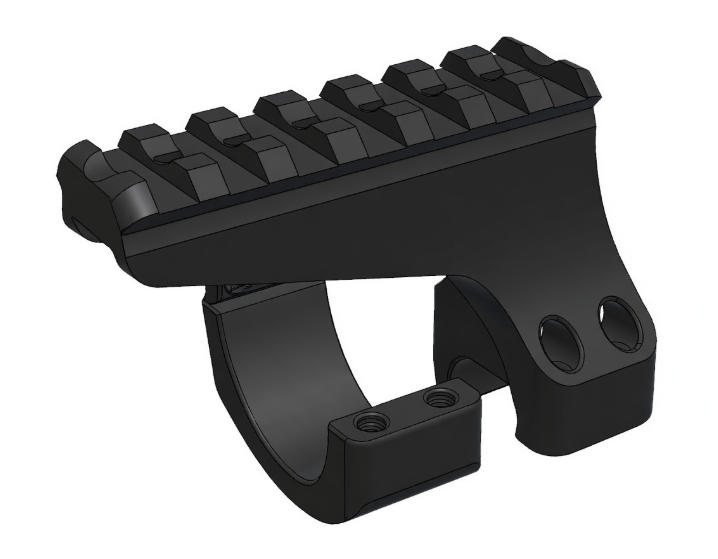
Equipment Matching and Cavity Optimization
For different component geometries, we select the most appropriate machining equipment.
Components with complex internal cavities or extensive hollow structures are processed using multi-axis machining centers, allowing complex forms to be completed in fewer steps.
Parts with simpler cavity structures are machined using more cost-efficient equipment, reducing machining time and overall cost.
Collaboration Between Design and Machining
During the rifle scope design phase, our structural engineers work closely with the machining team to ensure that part geometries are optimized for manufacturability. This collaboration minimizes unnecessary complexity, avoids excessive material removal, and ensures efficient production from the earliest design stage.
2. Aluminum Bar and Tube Material Selection
Material selection plays a critical role in balancing cost efficiency and performance. Nexroa Optics carefully evaluates the use of aluminum bars versus aluminum tubes for rifle scope components.
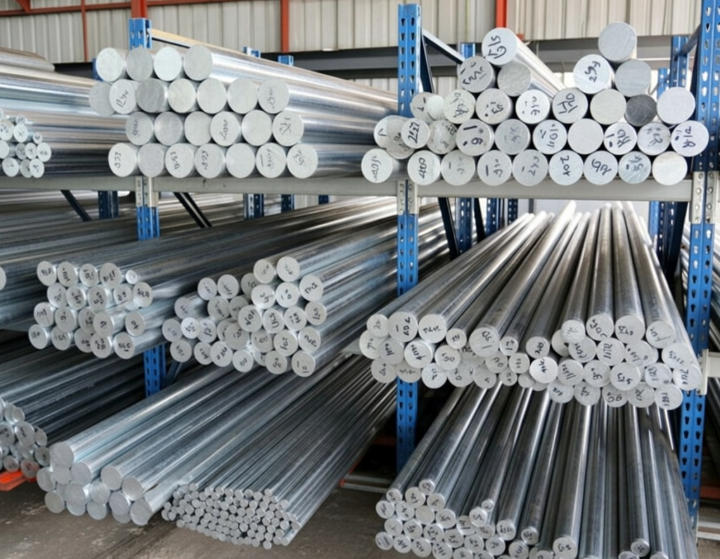
Bar vs. Tube Selection
Depending on the structural and functional requirements of each component:
Aluminum tubes are preferred for thin-walled parts with large hollow sections, significantly reducing material waste and machining time.
Aluminum bars are selected for components requiring higher mechanical strength, with diameters optimized to minimize excess material removal.
Minimizing Material Removal
Raw material dimensions are chosen as close as possible to the final component size. This reduces unnecessary cutting, lowers scrap rates, shortens machining cycles, and ultimately reduces manufacturing costs while maintaining the high quality standards expected of Nexroa Optics rifle scopes.
3. Process Adjustment and Machining Strategy
Process optimization is essential for efficient machining and cost control in rifle scope production. Nexroa Optics continuously refines the sequence and strategy of turning and milling operations to achieve optimal results.
Operation Sequencing: Turning vs. Milling
The machining order is determined based on component characteristics:
For parts requiring precise external profiles, turning is typically performed first to establish the primary geometry, followed by milling for detailed features. This approach improves accuracy and reduces re-positioning errors.
For components with large flat surfaces or extensive material removal, milling is prioritized to rapidly eliminate excess material.
Machining Path and Strategy Optimization
Using advanced CNC programming software, we carefully optimize tool paths to reduce non-productive movements and shorten cutting distances. Specialized fixtures are employed during process transitions to minimize re-clamping time and ensure positional accuracy, further improving machining efficiency.
Conclusion
Through these integrated measures, Nexroa Optics ensures that every piece of material used in rifle scope production delivers maximum value. By reducing waste, shortening machining time, and improving process efficiency, we are able to deliver high-performance rifle scopes with consistent quality and competitive cost advantages.
This disciplined approach to machining and structural design not only enhances production efficiency but also reinforces Nexroa Optics’ commitment to precision manufacturing and long-term sustainability.
How Nexroa Optics Selects the Right Machining Equipment for Rifle Scopes
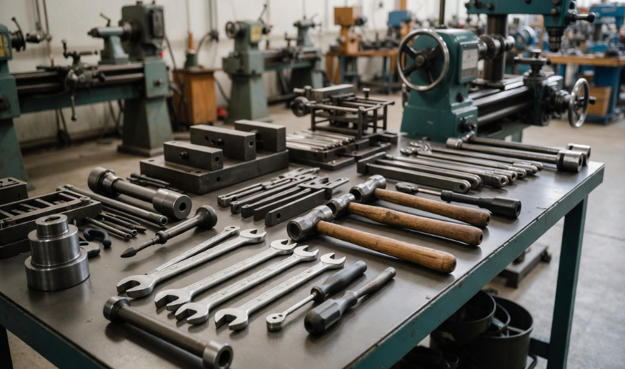
Manual Lathe Machining
For very simple components with low precision requirements, we use manual lathes. These parts usually involve straightforward machining operations. Manual lathes are ideal for maintaining a long-term, single-operation process, reducing operator intervention, and making production more cost-effective.
Automatic Lathe Machining
Most rifle scope components are produced using automatic lathes, which are suitable for parts with moderate complexity, such as basic rifle scope bodies and caps. These machines perform turning, milling, and boring operations and are well-maintained to ensure consistent precision. However, automatic lathes often require multiple steps to complete part production, including removal, re-clamping, and repositioning, which can lead to cumulative tolerances. Therefore, automatic lathes are optimal for general component production but are not ideal for high-end or complex parts.
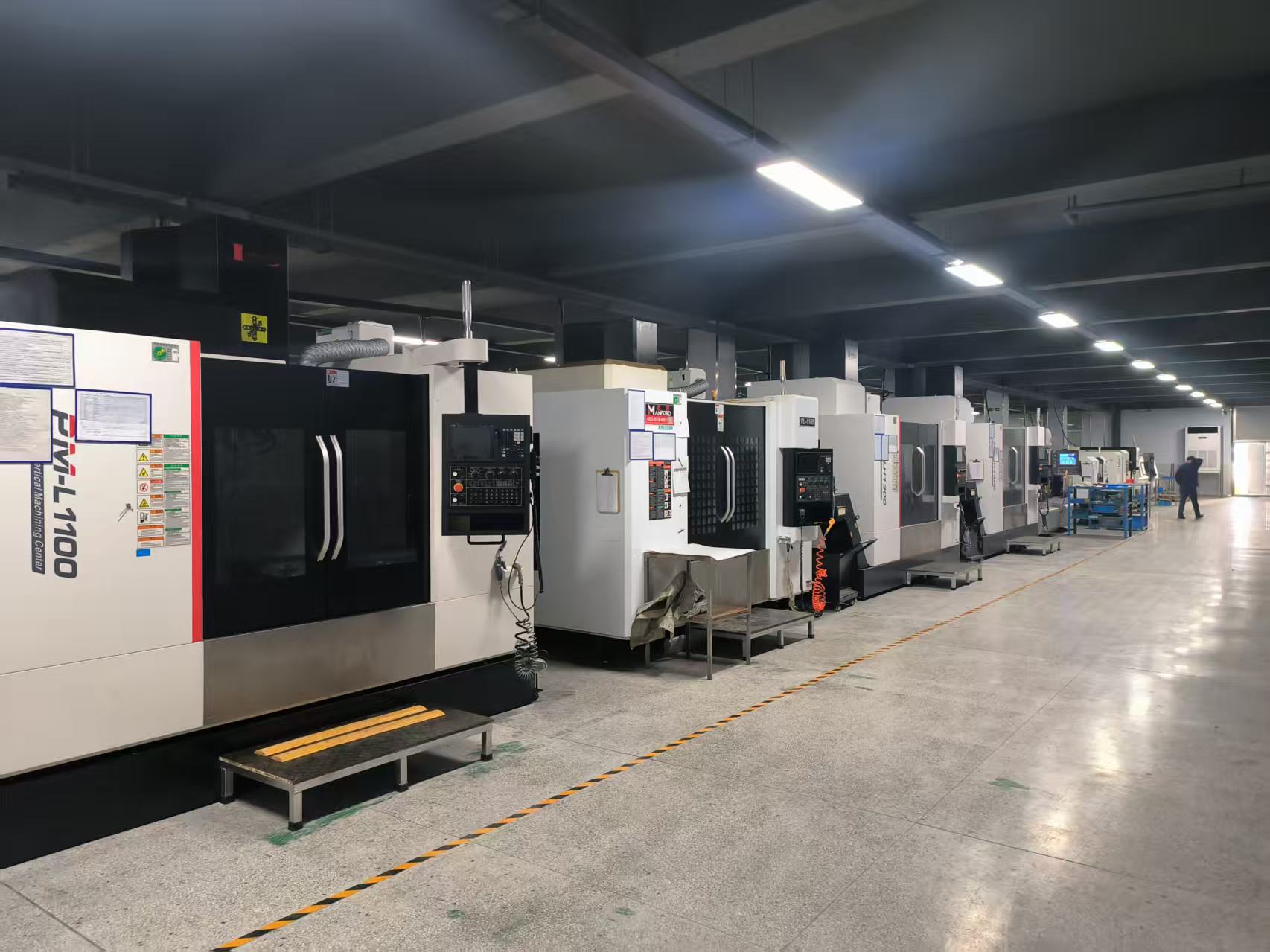
CNC Machining
For components that require high precision and complex machining, we use CNC (Computer Numerical Control) machining centers. Nexroa Optics utilizes over 30 advanced multi-axis CNC machines (including 4, 5, and 6-axis machines) to meet a wide range of precision and customization needs.
Key Advantages of CNC Machining:
Multi-functionality: CNC centers can perform milling, drilling, tapping, and boring in a single setup.
High Precision: The computer-controlled systems ensure high accuracy and consistency, which is crucial for quality rifle scope components.
High Level of Automation: The automatic tool-changing system (ATC) eliminates manual intervention, improving efficiency and reducing labor costs.
Programming Control: CNC machines can handle complex shapes with ease, ensuring that parts meet high standards.
Flexibility: Ideal for small-batch, high-variety production, CNC machining is perfect for customized rifle scope components.
Cost Considerations: While CNC equipment and maintenance are expensive, they are ideal for high-value precision components. Where possible, Nexroa Optics opts for lower-axis CNC machines to reduce costs while still meeting product requirements.
Centralized Procurement of Standard Components
For components that can be standardized, Nexroa Optics prefers centralized external procurement. Outsourcing these standard components helps reduce production costs, ensures consistency, and guarantees a stable supply. This approach significantly shortens production cycles and reduces additional costs from custom component machining, making the entire production process more economical and efficient.
Balancing Equipment Selection and Cost Management
At Nexroa Optics, we work closely with customers to determine the best machining approach for each rifle scope component, balancing performance and cost. Based on component design complexity, we select the most appropriate CNC equipment. For components where shape complexity doesn’t affect product precision, we prioritize using lower-axis CNC machining centers, significantly reducing costs while maintaining innovation.
In addition to CNC machining, rifle scope component production involves three other key machining steps, depending on specific requirements. By selecting the right equipment for each step—manual lathes for basic parts, automatic lathes for medium-precision parts, and CNC machining for complex components—we ensure efficiency and cost-effectiveness throughout the production process.
By effectively combining manual and automated operations and leveraging centralized procurement of standard components, Nexroa Optics ensures each machining step is both economical and precise. This approach not only reduces overall production costs by 5%-15%, but also allows us to deliver high-quality, customized rifle scope products for high-end markets and professional users.
How Nexroa Optics' Process Design Helps Minimize Costs
How Nexroa Optics’ Process Design Helps Minimize Costs
Optimizing process design has a direct impact on improving production efficiency, ensuring product quality, and controlling manufacturing costs. Nexroa Optics continuously enhances the processes of optical fabrication, machining, and assembly to achieve effective coordination and improvement in rifle scope manufacturing.
1. Optimization of Optical Fabrication
Optical fabrication is a crucial part of rifle scope production, directly affecting the optical performance and user experience of the final product.
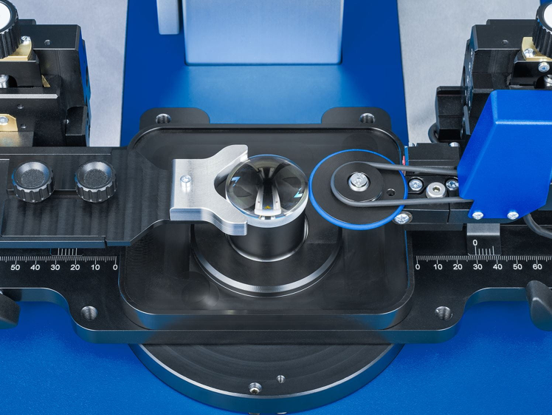
Optimization of Lens Cutting Paths
In lens processing, Nexroa Optics precisely designs the raw material cutting paths to minimize waste and ensure cutting accuracy. By using advanced optical cutting equipment and optimal cutting path planning, we maximize material utilization while maintaining high optical performance, thereby reducing waste caused by cutting errors.
Lens Grinding Process Optimization
The largest loss in optical lens fabrication often occurs due to over-dimensioning in raw material design. For instance, a 50mm diameter rifle scope lens traditionally requires a blank of 54-55mm, which significantly increases costs, especially for high-grade HD or ED glass. We use advanced CNC lens processing technology to machine glass blanks directly into standard pre-formed lenses, ready for polishing. During the polishing phase, we use various polishing processes to ensure the smoothness of the lens surface.
By selecting the appropriate polishing process according to lens type and aperture requirements, we can shorten polishing time and maintain a high-quality finish. This optimized strategy not only speeds up lens production but also ensures the optical quality necessary for the performance of the final product.
2. Optimization of Machining Process
Optimizing machining processes is crucial in the production of rifle scope metal components, impacting component strength, accuracy, and production costs.
Material Selection and Path Optimization
For aluminum alloy parts, Nexroa Optics carefully selects appropriate bar or tube diameters to reduce excess material removal and enhance material utilization. By using programming software to plan the machining paths, we minimize non-productive tool movements and redundant machining steps, ultimately reducing machining time and manufacturing costs.
Equipment Selection and Machining Procedure Optimization
Selecting the right equipment is key to maximizing production efficiency and controlling costs. Based on specific component requirements, we choose lower-axis CNC machines to reduce costs, while using multi-axis CNC machines for complex parts to ensure precision. Additionally, the sequence of turning and milling operations is optimized to ensure efficient material removal and superior surface quality for each component.
3. Optimization of Assembly Process
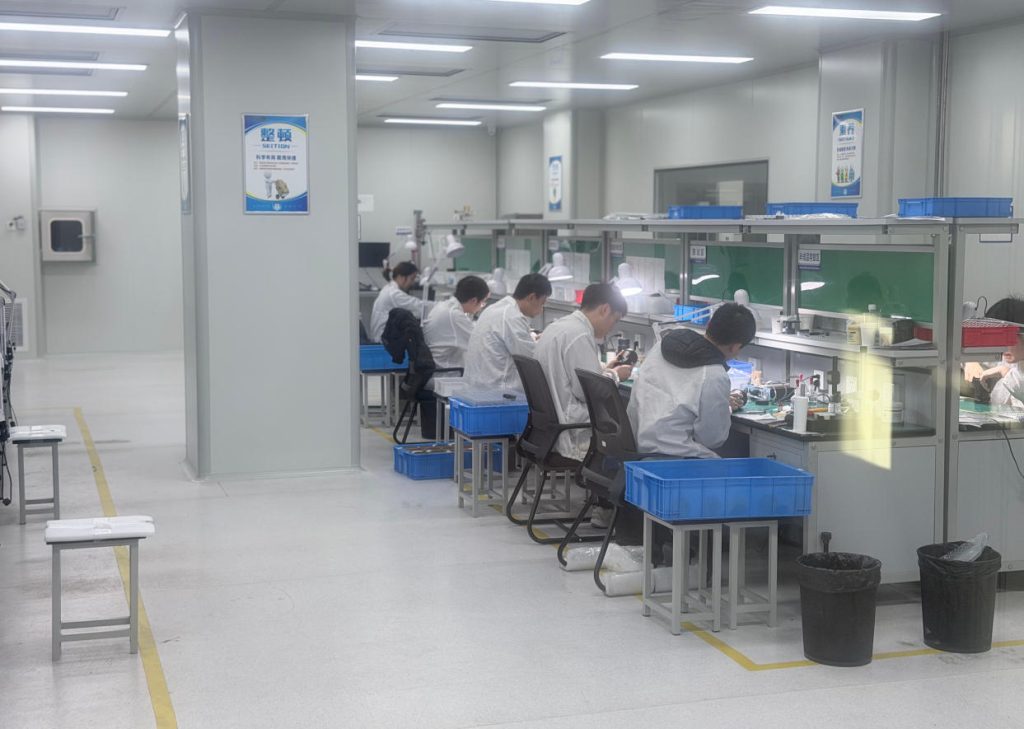
The assembly process is the final step in ensuring the overall quality of rifle scopes, directly affecting product consistency and user experience.
Standardization and Modularization of Assembly
Nexroa Optics standardizes the assembly process to reduce variability in manual operations and maintain consistency across steps. We create detailed assembly operation cards to ensure each step is performed in the most efficient way, improving accuracy and speed. Additionally, some assembly steps are modularized to increase efficiency and simplify transitions between operations.
Use of Specialized Fixtures and Tools
During the assembly process, Nexroa Optics uses specially designed fixtures and tools to reduce time spent on part realignment and repositioning, increasing efficiency and lowering rework rates. These fixtures not only ensure the accuracy of key components during assembly but also enable workers to complete complex steps more efficiently.
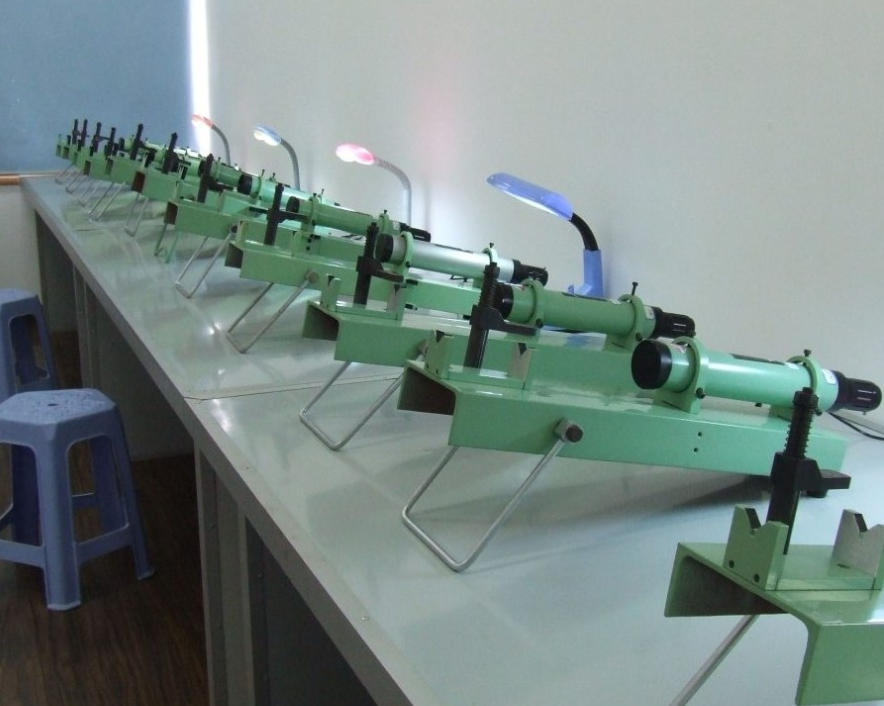
Quality Inspection and Feedback Mechanism
After assembly, we use automated inspection equipment to improve accuracy and efficiency in quality checks. Inspection data is fed back into the assembly process, allowing us to continuously optimize assembly steps and enhance overall product quality.
Through ongoing optimization of optical fabrication, machining, and assembly processes, Nexroa Optics not only improves production efficiency and yield rates but also reduces material and processing costs. This comprehensive process optimization allows us to provide customers with high-quality rifle scope products at more competitive prices.
Nexroa Optics’ Extensive Optical Component Library: Cost Analysis of Mature vs. Newly Designed Optical Systems
Nexroa Optics’ Extensive Optical Component Library: Cost Analysis of Mature vs. Newly Designed Optical Systems
Nexroa Optics boasts an extensive library of optical components, including both mature optical systems and newly designed solutions. Compared to creating a completely new optical system, using existing mature systems brings significant cost and time advantages. This approach not only reduces R&D expenses but also accelerates product development, ultimately reducing the production cost of rifle scopes. Below is a detailed cost analysis, highlighting several ways to leverage mature optical systems:
Direct Utilization of Existing Systems
For mid- to low-end rifle scopes, customers often prioritize stability and cost control. Utilizing existing optical systems avoids unnecessary costs and complexities associated with redesign. For such products, there is no need to create a new system from scratch. Instead, using mature systems ensures stable production, reduces development costs, and allows products to be launched quickly to meet market demands. This approach is particularly suitable for applications where consistent profitability and cost-effectiveness are essential.
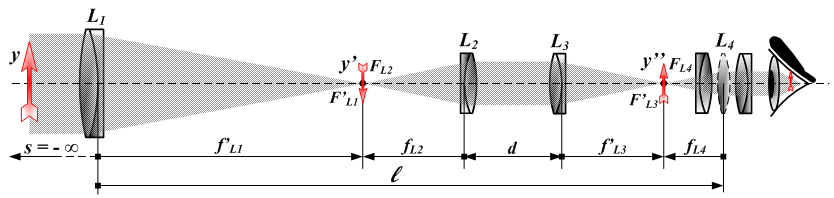
Fine-Tuning of Similar Systems
Based on meeting 90% of a customer’s optical requirements, Nexroa Optics can enhance the match through fine-tuning—such as optimizing lens coatings or adjusting lens materials. These adjustments can increase the system compatibility from 90% to 98%, while also saving significant development time and cost, typically reducing R&D expenses by 30-40%. For most brand clients, this approach meets market demands while allowing faster product launches at a competitive price.
Partial Use of Mature Optical Systems
Nexroa Optics can also leverage parts of mature optical systems, such as the eyepiece system, image relay system, or objective lens system. This partial reuse method can reduce upfront development costs by 30-50%, as it eliminates the need for a complete redesign and testing of the entire system. Additionally, during mass production, the overall system cost may be reduced by about 10%. This modular design approach ensures an efficient and economical development process.
Optical Design Simulation and Batch Testing
During development, we use optical design simulations and batch testing of existing lenses to explore optimization opportunities. When the customer’s core optical parameters allow, we use simulations to determine the possibility of reusing existing lenses. There is approximately a 30% chance that one or two lenses can be directly reused—most commonly in the objective or image relay systems. This approach significantly reduces the core costs of the final product without compromising optical performance.
Overall Advantages of Utilizing Mature Systems
Using mature systems not only reduces development and production costs but also shortens the development cycle, which is crucial for bringing new rifle scopes to market quickly. Nexroa Optics has accumulated 30 years of experience in OEM and ODM for rifle scopes, building a complete library of optical systems across high, mid, and low-end products. This enables us to help new brands quickly establish a product portfolio and support long-term partners in continuously launching cost-effective new products, maintaining competitiveness in the market.
The extensive optical component library and mature system advantages at Nexroa Optics allow us to lead in technology development, cost control, and product launch speed. Compared to designing a completely new optical system, the use of mature systems offers a fast and reliable way for customers to meet market demands, reduce product pricing, and enhance competitiveness.