

Nexroaoptics Custom Development A Cost-Effective Assault Rifle Scope Solution (1–6×24)
Nexroaoptics collaborated with a firearms manufacturer based in Egypt to develop a custom 1–6×24 rifle scope intended for use by security personnel on assault rifle platforms.
Rather than targeting premium specifications or feature-heavy configurations, the project focused on practical performance, structural reliability, and controlled production cost. From the beginning, the development followed a use-case-driven engineering approach, shaped by real operational requirements and budget constraints.
Requirement DefinitionDuring the initial phase, multiple rounds of technical communication were conducted to clarify application conditions and performance priorities. The client identified three core requirements:
Strict Cost ConstraintsThe overall budget was limited, requiring performance to be achieved through efficient design choices rather than expensive materials or complex features.
Optical Performance PriorityCenter-field image clarity was critical for rapid target acquisition. Edge resolution was considered secondary and not a primary design objective.
Shock Resistance and ReliabilityThe scope was required to withstand the recoil and impact levels typical of assault rifle use, maintaining zero and functional stability in demanding environments.
Engineering Decisions & Solution DesignBased on the defined requirements, the Nexroaoptics engineering team developed a solution that concentrated resources on structural integrity, optical reliability, and manufacturability.
Structural DesignThe scope features a one-piece aluminum housing manufactured through multi-axis CNC machining. T6 heat-treated aluminum alloy was selected, and tube wall thickness was selectively reinforced to improve rigidity and impact resistance.
This structural approach ensured durability under sustained recoil without introducing unnecessary weight or cost complexity.
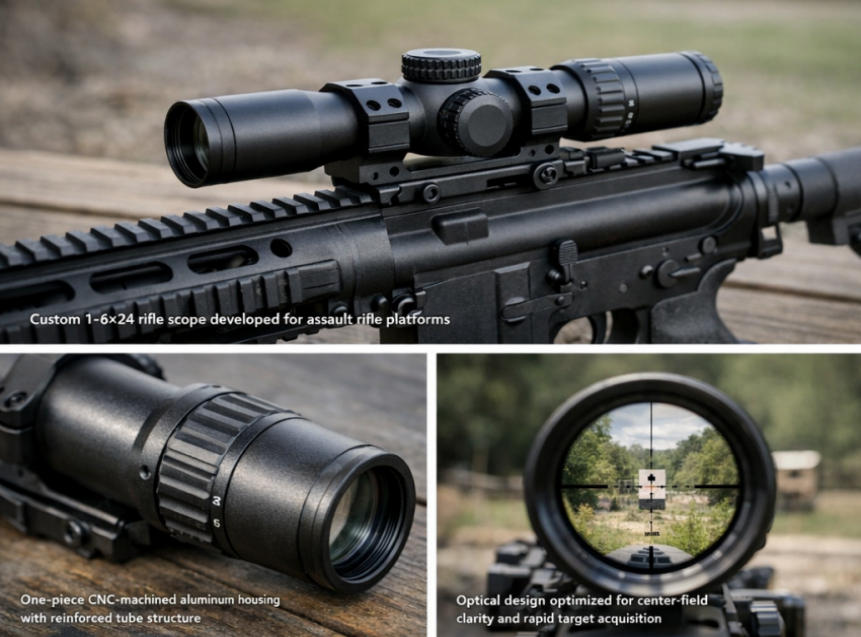
The optical system utilizes proven HD lens assemblies combined with optimized coating processes.
Design emphasis was placed on maximizing center-field resolution rather than achieving uniform performance across the entire field of view, aligning optical output with real-world usage requirements.
Functional SimplificationNon-essential premium features were intentionally excluded. The final configuration retained only reliable and intuitive aiming and adjustment functions, reducing both cost and potential failure points.
Prototype EvaluationAfter completion of the first prototype, the client conducted preliminary field testing and provided feedback based on operational use:
Adjustment TurretsAdjustment resistance was higher than preferred, limiting rapid manipulation under time-sensitive conditions.
Overall WeightWhile impact resistance met expectations, weight reduction was requested to improve long-term usability.
Iterative OptimizationIn response to this feedback, Nexroaoptics implemented a second round of targeted refinements:
Turret Mechanism RedesignInternal damping components were revised to achieve smoother, more responsive adjustment behavior.
Weight Reduction MeasuresCNC machining paths were re-optimized to remove non-critical material while preserving structural strength, resulting in a lighter overall assembly.
Production & Continuous ImprovementFollowing approval of the revised prototype, the product entered full-scale production.
During mass production, Nexroaoptics continued to refine manufacturing processes:
Material utilization efficiency increased by approximately 3%
Production waste was reduced through process optimization
These improvements directly lowered unit cost and contributed to more stable long-term supply for the client.
Project OutcomeOne year after market introduction:
Annual sales reached approximately USD 200,000
The product demonstrated stable performance in service with no significant quality issues reported
The client expressed confidence in Nexroaoptics’ engineering capability and collaborative development process
Both parties agreed to pursue continued cooperation on future product development initiatives
Key Takeaways Requirement-Driven EngineeringPerformance was defined by real operational needs rather than theoretical specifications.
Focused Resource AllocationBudget and engineering effort were concentrated on components with the greatest impact on durability and usability.
Iterative OptimizationFeedback-based refinement improved both product performance and user experience.
Manufacturing EfficiencyContinuous process improvements enhanced cost control and long-term competitiveness.
Case Study Cost-Optimized Development of an Entry-Level 3–9×40 Hunting Rifle Scope
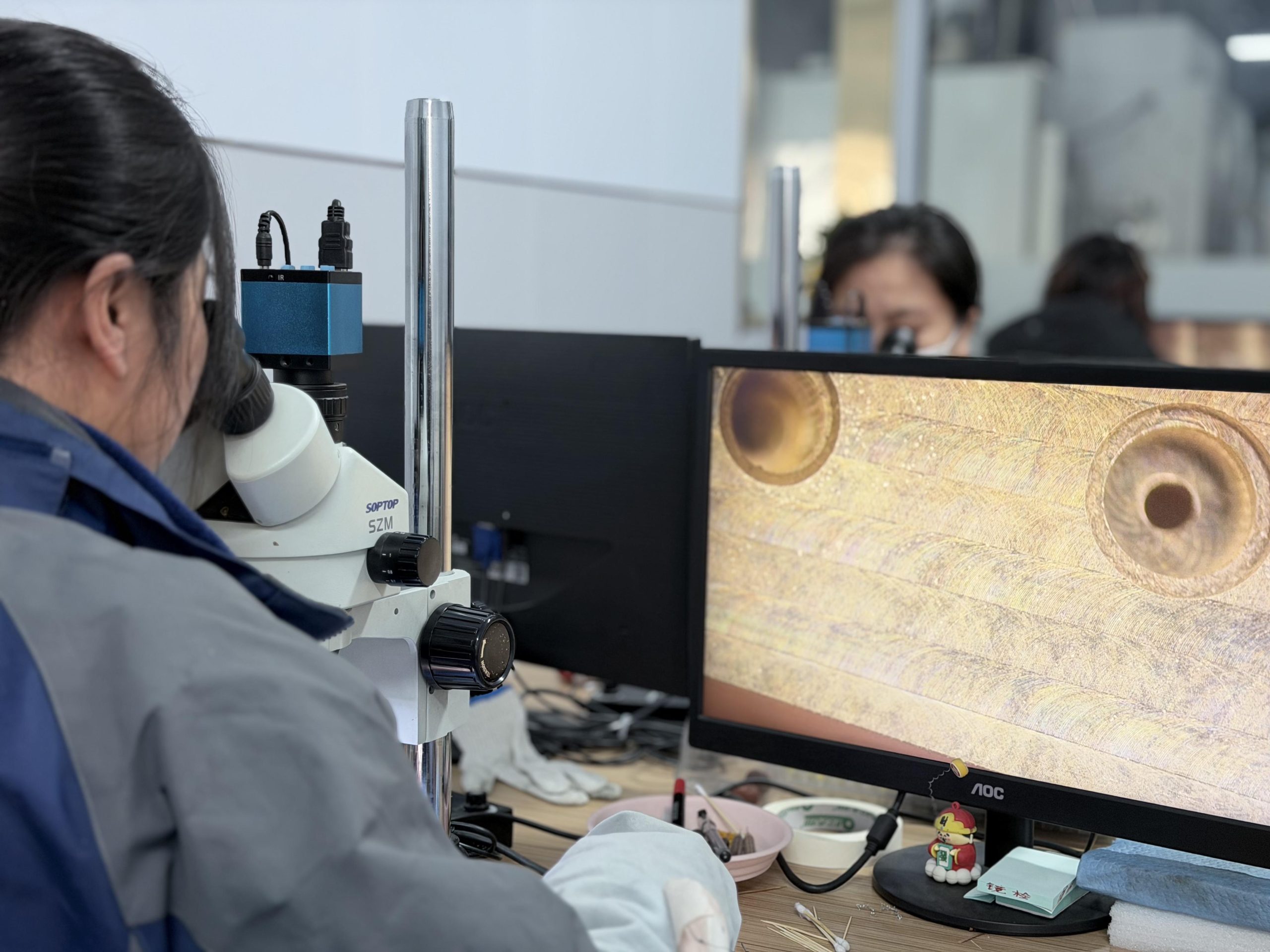
Nexroa Optics partnered with a Turkish distributor to develop a rifle scope targeted at the big-game hunting market.
The client’s initial concept was a 4–16×50 long-range hunting scope, intended to offer high magnification and extended durability. However, during early feasibility reviews, it became clear that the original specification exceeded the client’s target cost and risked limiting market adoption.
This project evolved into an engineering-led optimization effort, balancing real hunting use cases, manufacturability, durability, and cost control.
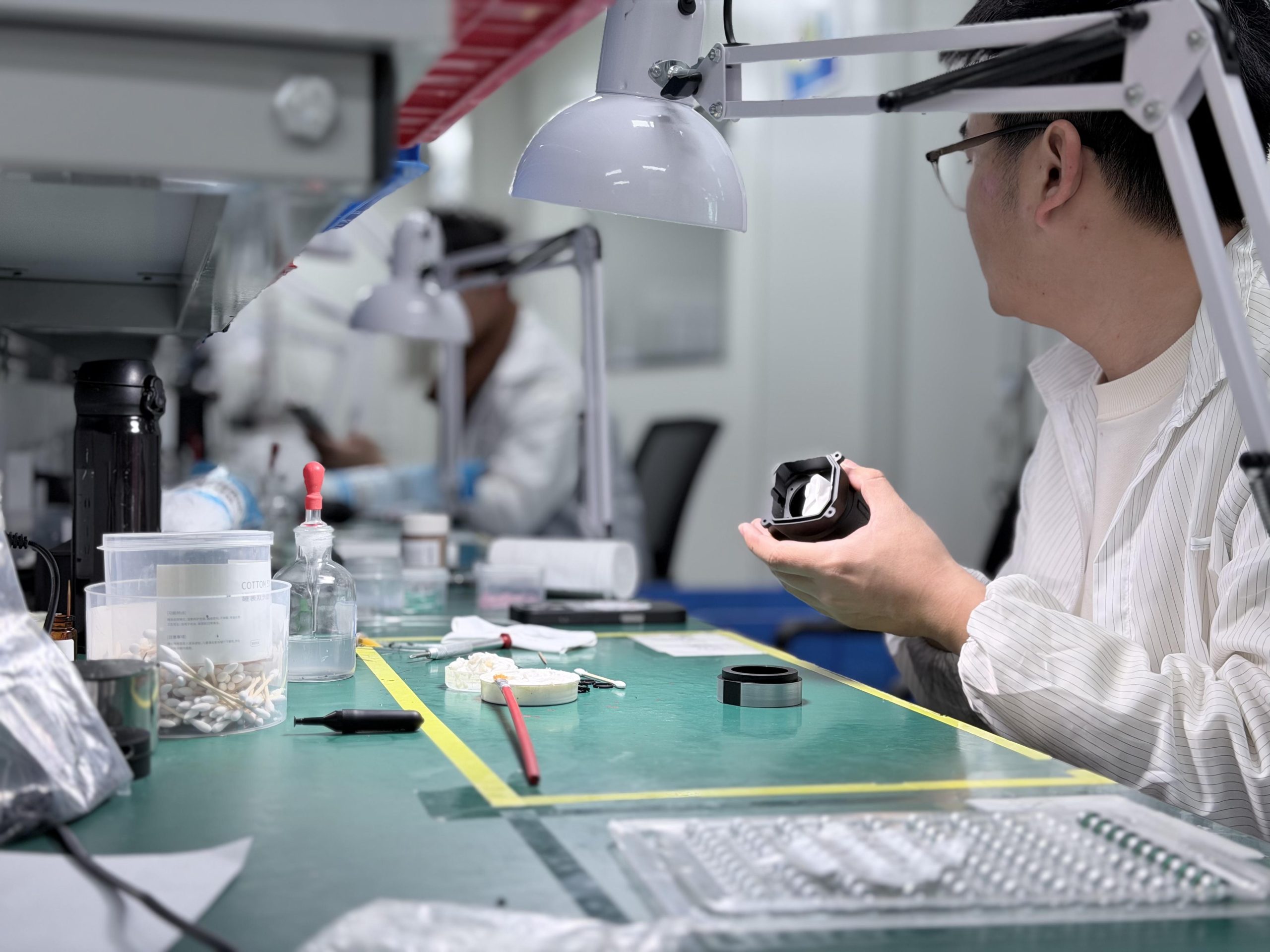
· Magnification: 4–16×
· Objective lens: 50 mm
· Intended use: professional big-game hunting
· Required service life: ≥ 5,000 recoil cycles
Identified Challenges Cost OverrunWhile the 4–16×50 configuration delivered strong optical performance, its component cost, mechanical complexity, and assembly tolerance requirements significantly exceeded the client’s budget.
Market-Use MismatchThrough joint discussions and market analysis, we identified that:
· Most big-game hunters rarely require magnification above 9×
· Higher magnification demands greater shooting skill and stability
· Excess magnification can reduce ease of use and lower adoption among entry-level and mid-level users
The client’s core customer base prioritized:
· Practical magnification
· Durability
· Ease of control
· Predictable pricing
2. Engineering Solution and Design DecisionsBased on these findings, Nexroa Optics proposed a re-scoped product definition: an entry-level 3–9×40 hunting rifle scope, optimized for real-world hunting conditions rather than theoretical maximum performance.
Key Engineering Optimizations Mechanical & Cost OptimizationRemoved non-essential premium features:
· Zero-stop locking systems
· Multi-level (5-stage) illumination modules
· Precision cam-based zoom mechanisms
Reallocated budget toward:
· Structural integrity
· Material consistency
· Shock resistance
A thickened main tube wall was introduced to ensure structural stability under repeated recoil, enabling the scope to meet the 5,000-round durability requirement without costly internal reinforcement systems.
Optical System Optimization· Selected a proven, cost-efficient optical design rather than a high-complexity tactical configuration
· Optimized coating formulation to prioritize:
Center-field resolution
Practical low-magnification clarity
· Simplified the reticle system from a tactical layout to a hunting-oriented reticle, providing reliable windage and elevation reference without unnecessary complexity
Illumination & Sealing· Replaced the original illumination system with a more economical module
· Adopted capped adjustment turrets to:
Reduce part count
Maintain waterproof performance
Improve field reliability
3. Validation, Testing, and Client Feedback Cost ReductionTotal product cost reduced by approximately 50%, aligning fully with the client’s target pricing
Prototype Field TestingThe client conducted extensive real-world field tests on the 3–9×40 prototype, confirming:
Stable zero retention
Consistent mechanical behavior
Sufficient optical clarity for big-game hunting at low to mid magnification
High usability for entry-level and intermediate hunters
4. Mass Production and Repeat OrdersFollowing successful validation, the client placed an initial order exceeding 5,000 units.
During mass production:
Manufacturing yield improved from 97% to 98.8%
Material utilization and process consistency were further optimized
Overall product competitiveness was strengthened through improved cost control and quality stability
ConclusionThis project demonstrates Nexroa Optics’ capability to deliver engineering-driven customization, not by adding features, but by removing unnecessary complexity and focusing on real customer use cases.
Through disciplined market analysis, pragmatic design decisions, and manufacturing optimization, we delivered a rifle scope solution that balances:
Cost efficiency
Mechanical durability
Practical optical performance
The result was a commercially successful product that improved the client’s market position while reinforcing Nexroa Optics’ reputation as a reliable development and manufacturing partner for global hunting optics brands.
Brand Collaboration
Project Background and Initial Communication
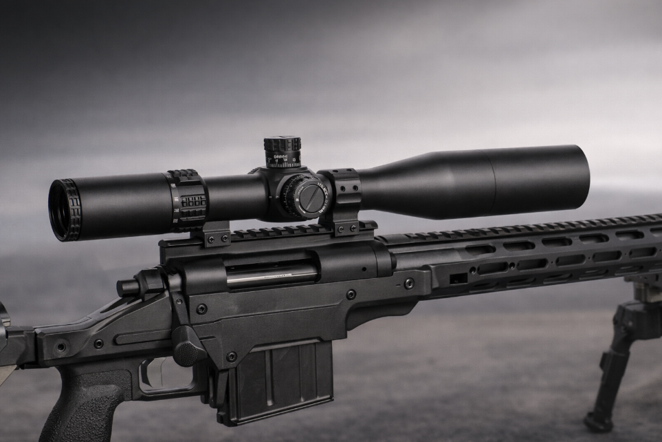
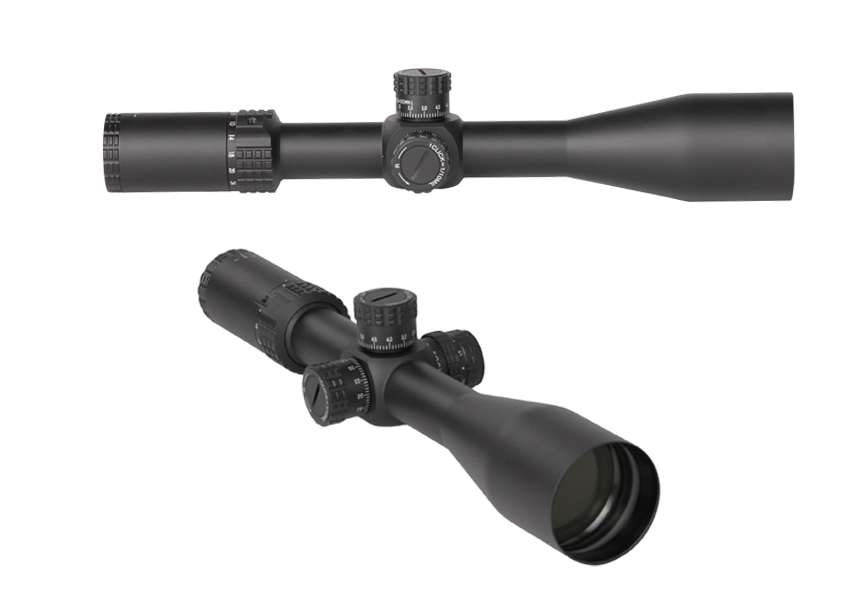
A North America–based premium optics brand approached Nexroa Optics to co-develop two long-range tactical rifle scopes, specified as 5-25×56 and 6-24×50. These products were intended for professional users, including military units, law enforcement snipers, and advanced long-range shooting enthusiasts, with extremely high expectations for precision, reliability, and environmental durability.
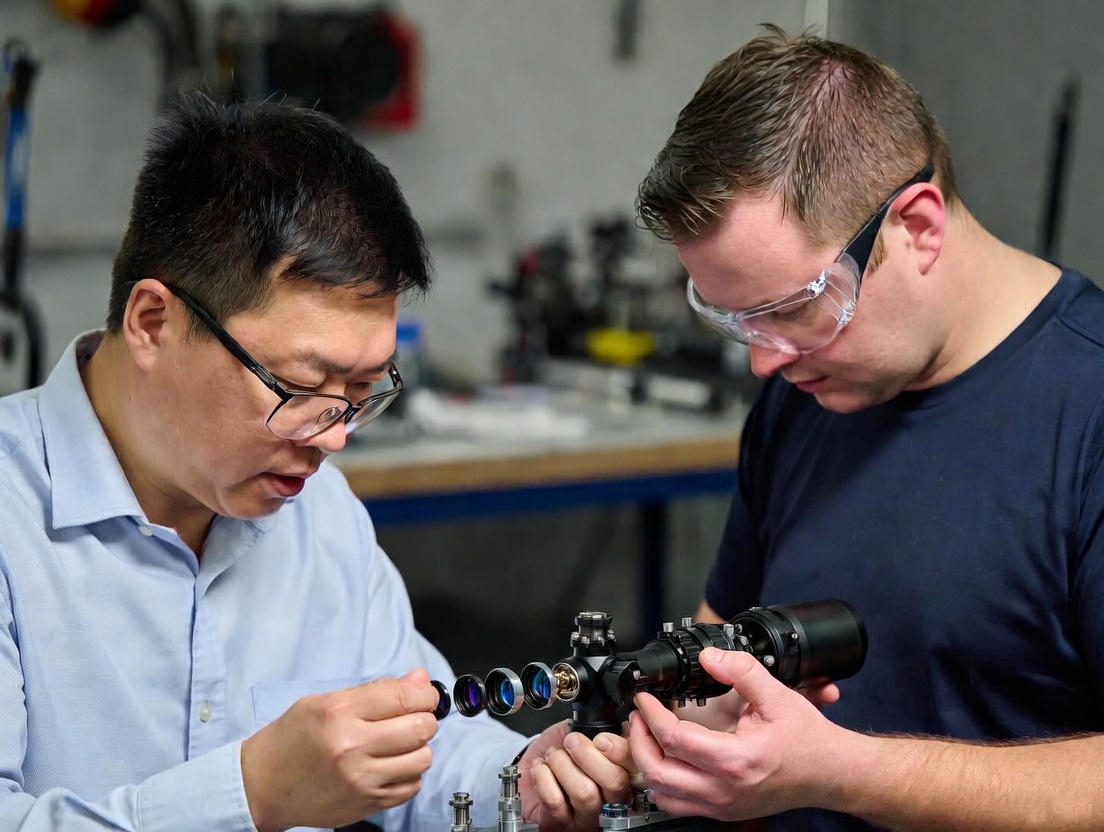
During the project kickoff phase, both parties held an in-depth video conference under confidentiality constraints.
While the customer did not disclose the exact weapon platform, they clearly defined the critical performance expectations, including:
High repeatability in windage and elevation adjustments
High contrast and image clarity under challenging lighting conditions
Long-term use under harsh environments, with a minimum of five years of fog-free internal optical stability
Engineering Evaluation and Preliminary Planning
Following the meeting, Nexroa Optics promptly organized an internal technical evaluation involving optical designers, mechanical engineers, and coating specialists. After multiple discussions, a preliminary technical roadmap was established.
For sealing and structural integrity, a multi-layer sealing architecture combined with military-grade protection processes was adopted to minimize environmental impact on internal components over extended service life.
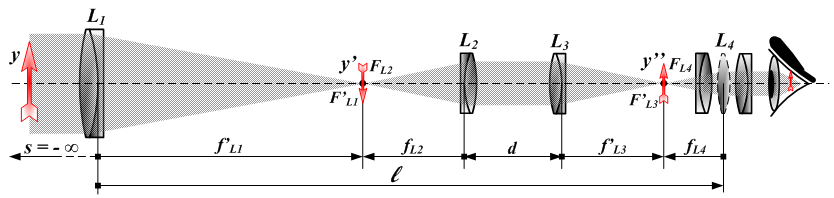
For the optical system, a high-complexity 13-element lens configuration was selected, incorporating two ED low-dispersion elements to control chromatic aberration and enhance resolution at high magnification. All lenses received multi-layer broadband coatings, with coating materials sourced from established suppliers in Japan and Europe.
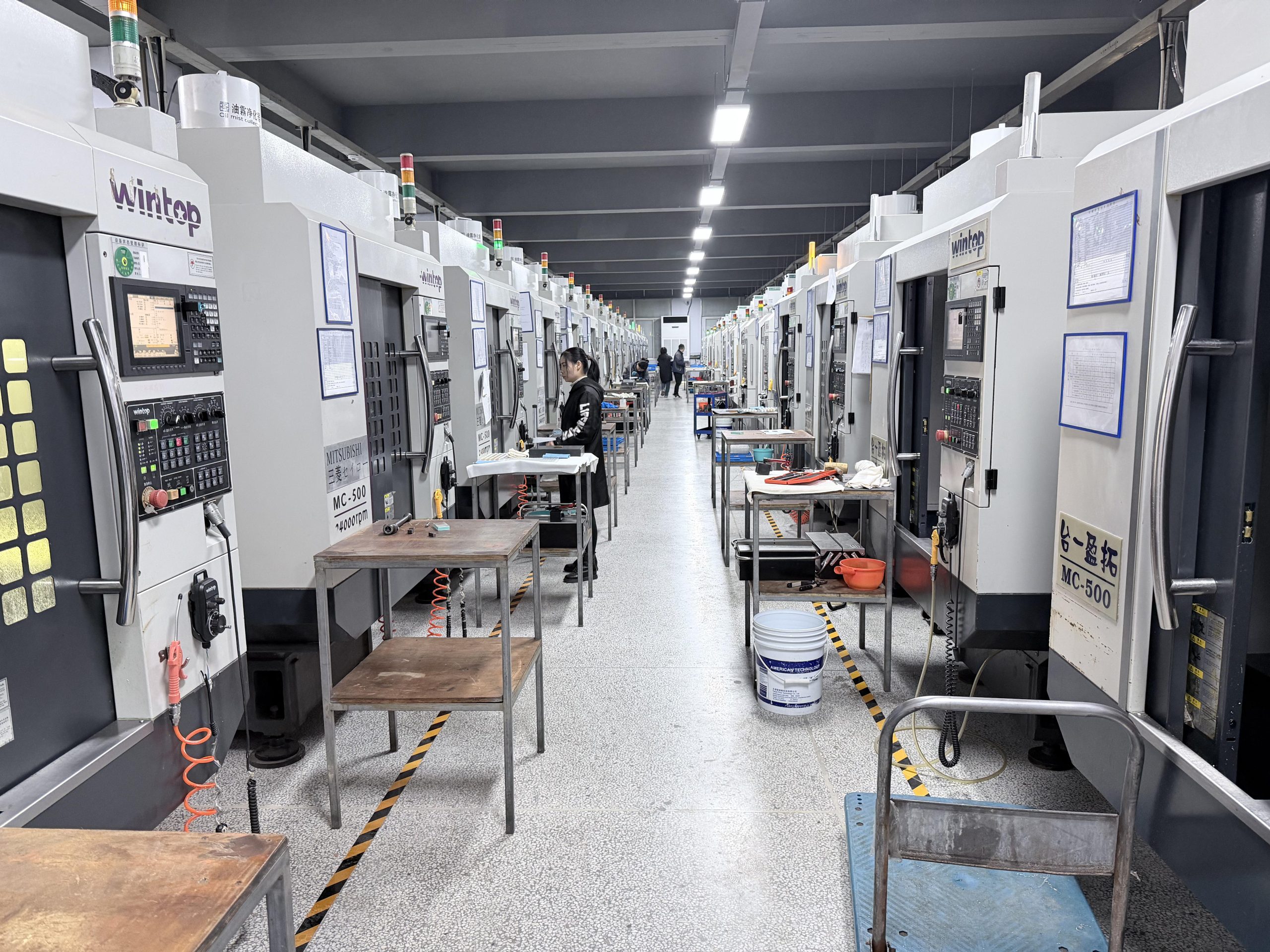
For the mechanical system, critical adjustment components were manufactured using high-precision CNC machining and underwent multiple calibration cycles to ensure consistent adjustment accuracy and tactile feedback.
Prototype Manufacturing and Internal Testing
After completion of the first engineering prototypes, comprehensive internal testing was conducted, focusing on:
High-recoil shock testing
Extended waterproof and sealing performance validation
High- and low-temperature cycling tests
During testing, multiple fine adjustments were made to further optimize overall performance. The prototypes were then delivered to the customer’s testing facility for independent evaluation.
The customer’s feedback focused on the following points:
1.Image tone appeared slightly warm and required a more neutral balance
2.Minor variation in turret resistance under extreme cold conditions
3.Reticle edge clarity at high magnification could be further improved
Second-Round Design Optimization
Based on the feedback, Nexroa Optics immediately initiated a second round of engineering optimization.
Coating parameters and optical balance were recalibrated to correct color bias and deliver a more natural image.
To address turret resistance variation in cold environments, internal tolerances were refined and a lubricant suitable for a wider temperature range was adopted.
For the reticle, manufacturing processes were upgraded to ensure sharp, well-defined markings even at high magnification.
These improvements resulted in a slight cost increase, which the customer accepted after recognizing the long-term value of the performance enhancements.
Final Approval and Pilot Production
The optimized prototypes successfully passed the customer’s laboratory evaluation and received final approval. An initial order of 120 units was placed for market validation and professional user trials.
During pilot production, the customer’s engineering team visited Nexroa Optics’ facility and collaborated with us to optimize assembly processes, improving consistency and efficiency.

Project Outcome and Future Cooperation
Following delivery, the customer expressed strong satisfaction with the product’s stability and optical performance. The 6-24×50 model quickly became a key offering within their tactical lineup.
Building on the success of this project, both parties have initiated discussions on additional models and are exploring deeper long-term collaboration opportunities.
Winning Bids

Customer Case | Customized Daylight Rifle Scope Solution for an Eastern Europe Tender
An Eastern Europe–based defense and law enforcement bidding company recently qualified for a procurement tender
involving daylight rifle scopes and shared the full technical specification document with Nexroa Optics for
evaluation.
After review, we confirmed that the core optical and mechanical requirements closely matched one of Nexroa Optics’
existing daylight rifle scope models, making it suitable as a base platform. However, several key adjustments were
still required
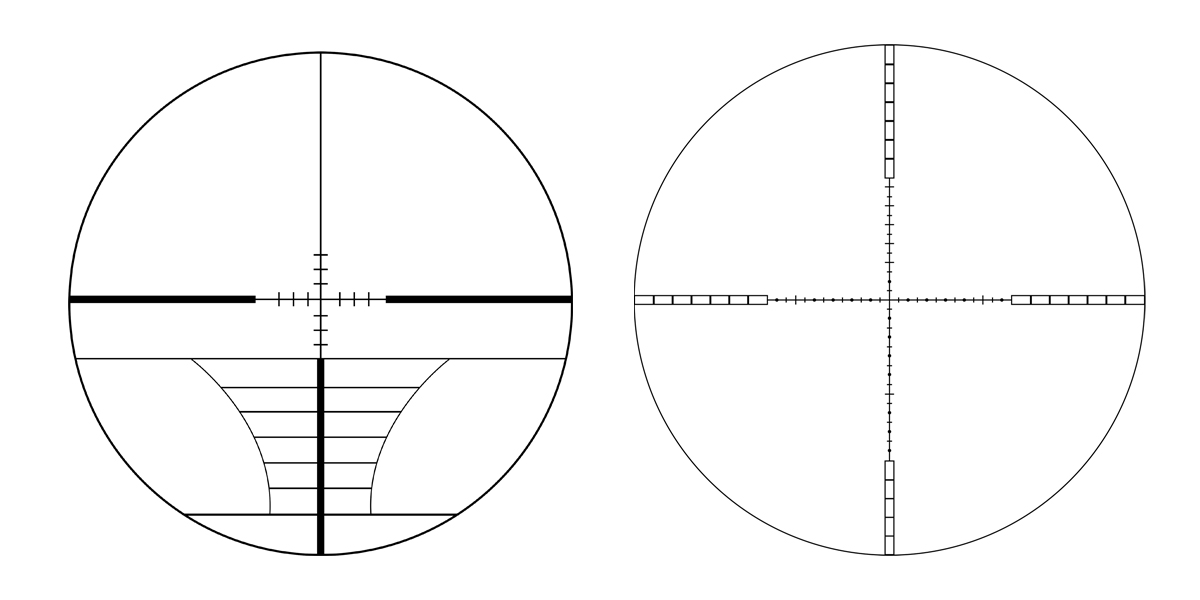
The key customization requirements specified in the tender included:
1.Local-language markings and user references
2.Specified reticle pattern
3.Stricter overall weight limitation
Language and Marking Support
We confirmed that local-language markings and documentation could be implemented without altering the optical structure, ensuring full compliance with tender requirements.
Reticle Customization
Given the tender timeline, we proposed using the existing optical parameters for the bid submission and committed to delivering a fully customized reticle design after project award.
Weight Optimization Solution
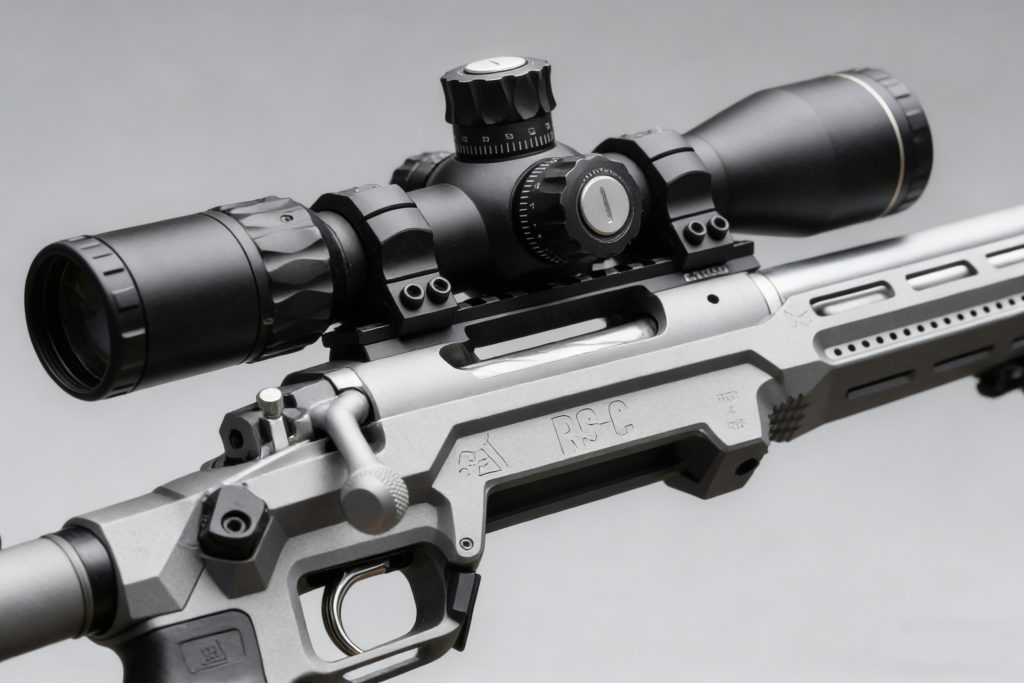
To meet the stricter weight requirement, we proposed upgrading the housing material by using a CNC-machined lightweight magnesium alloy body. While this approach slightly increases the per-unit production cost, it significantly reduces overall weight without compromising structural strength or environmental durability.
We also explained to the customer that this cost increase could be effectively offset in later large-scale production.
The customer expressed strong confidence in Nexroa Optics’ proposed solution. On the same day as the meeting, they provided the required system calibration and interface documentation, followed by the formal signing of a cooperation agreement.
Through rapid response, flexible engineering adjustments, and a clear understanding of tender procedures, Nexroa Optics successfully supported the customer throughout the technical submission process, ultimately helping them secure the contract.
The Nexroa Optics Advantage
This project once again demonstrates Nexroa Optics’ core strength in tender-based programs: leveraging proven platforms to deliver rapid customization, precise compliance with tender requirements, and an optimal balance between performance, cost, and delivery timeline.
Customized Solutions
Customer Case | A Custom Scope Ring Solution Optimized for Real-World Hunting Applications
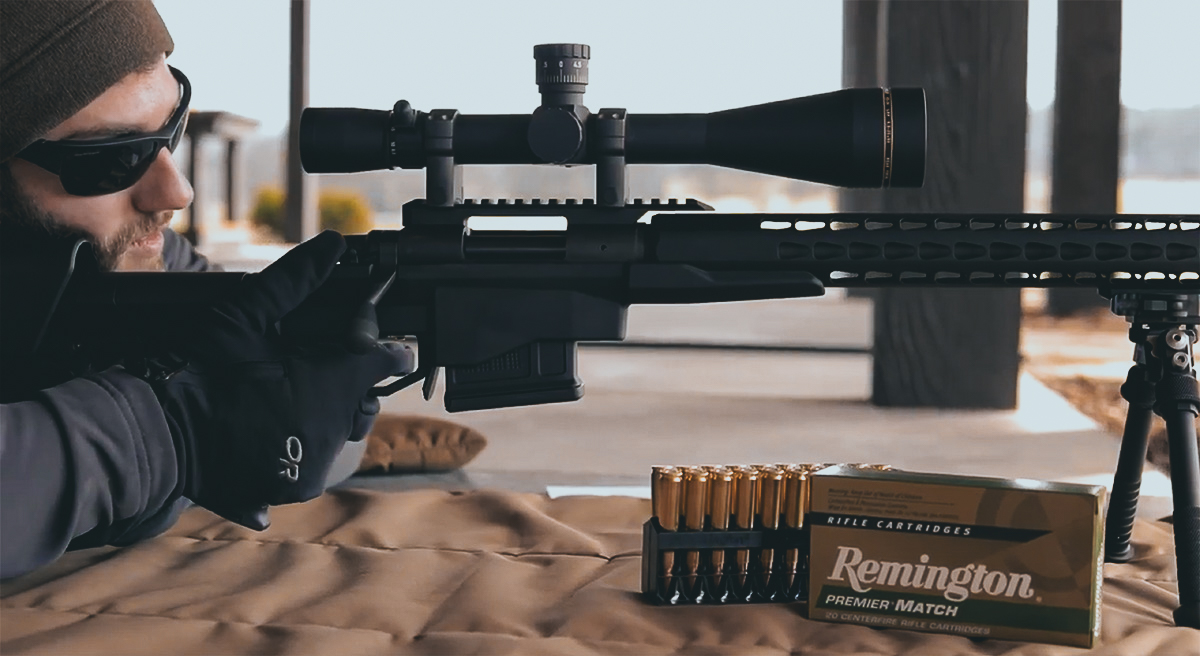
Recently, Nexroa Optics partnered with a U.S.-based hunting optics brand to develop a custom scope ring for one of their primary rifle systems in the North American market. The brand focuses heavily on real hunting users and places strong emphasis on reliability, weight control, and cost efficiency.
At the initial stage of the project, the customer proposed the following configuration:
1.7075-T6 aluminum alloy
2.Three-screw clamping design
3.Standard-height scope rings
From the customer’s perspective, this setup presented minimal risk in terms of mechanical strength. However, rather than proceeding directly with the requested specifications, the Nexroa engineering team initiated a deeper evaluation based on real-world usage conditions.
In-Depth Requirement Analysis: “Stronger” Is Not Always “Better”
Through multiple technical discussions, we confirmed several key factors related to the actual application:
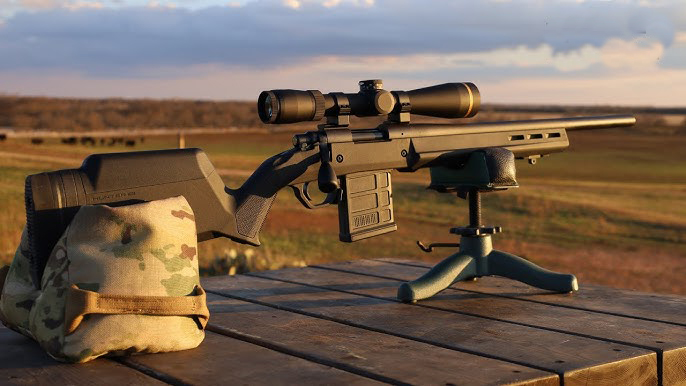
Rifle platform: Remington 700
Primary use: North American hunting (deer, elk, and similar medium-range game)
Shooting characteristics:
– Bolt-action rifle
– Moderate and controllable recoil
– Long periods of carry and repeated shouldering
Scope configuration:
– 30mm tube diameter
– 50mm objective lens
– Practical hunting optic rather than a heavy tactical scope
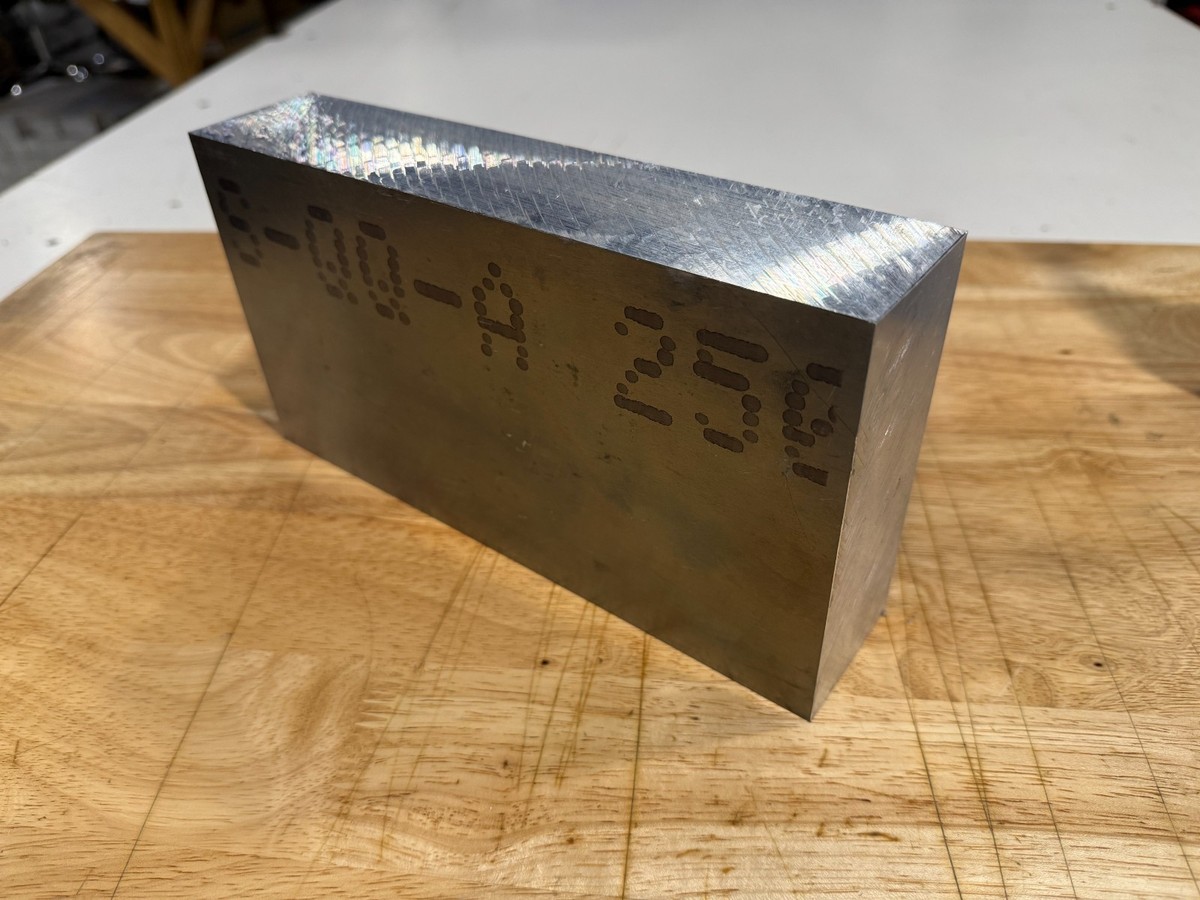
Based on this usage scenario, our assessment showed that the extreme strength offered by 7075-T6 aluminum was not fully utilized, while its higher material and machining costs were unavoidable.
Redefining Material and Structural Design
Based on recoil analysis and long-term hunting experience, the Nexroa engineering team proposed two key optimizations:
Material optimization: 6061-T6 aluminum alloy
The strength of 6061-T6 aluminum is more than sufficient for the recoil characteristics of the Remington 700 platform. At the same time, it offers reduced weight, improved carry comfort during long hunts, and significantly lower material and production costs.
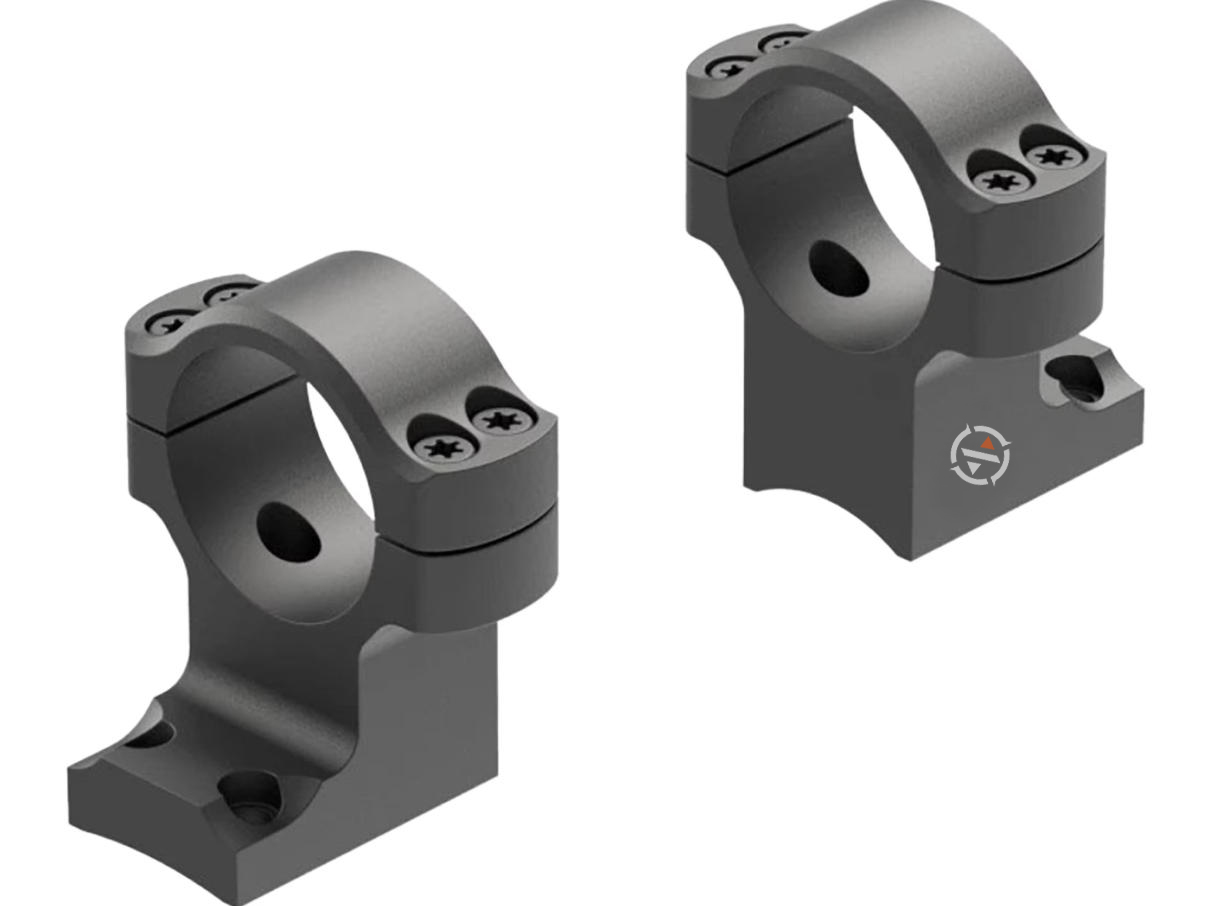
Structural optimization: Dual-screw clamping design
After evaluating scope tube length and mounting position, we recommended a three-screw clamping structure.
1.Lighter Weight
2.Faster and Simpler Installation/Adjustment
3.Sufficient Clamping Force
4.Improved Coaxial Alignment in Some Designs
This solution was not about adding specifications, but about improving real-world stability where it actually matters.
Ring Height Selection: Designed for Real Hunting Posture
For the 50mm objective lens configuration, we ultimately selected a medium-high ring height. This choice effectively prevents interference between the objective bell and the barrel, while providing a more natural cheek weld.
The increased mounting height also reduces neck strain during extended shooting sessions and performs particularly well when users are wearing thicker hunting clothing. During field testing, this detail proved to be more impactful than the customer initially expected.
Final Configuration and Customer Feedback
The final custom configuration included:
–6061-T6 aluminum alloy
–Three-screw clamping design
–Medium-high ring height
–Platform-specific optimization for the Remington 700
During extended field testing, the scope rings maintained zero consistently after repeated firing and prolonged carry. The customer reported that the solution achieved an ideal balance between weight, stability, and cost, and ultimately exceeded their initial expectations.
More Than Manufacturing: The Nexroa Approach
This project once again demonstrates Nexroa Optics’ core philosophy. We do not simply manufacture components based on specifications; we help our customers make better product decisions by grounding every design choice in real-world application scenarios.